The Ultimate Guide to Exercise Bicycles: Your Path to Fitness
In the world of fitness equipment, the exercise bicycle stands apart as one of the most available and effective tools for preserving and enhancing physical health. Whether nestled in the corner of a dynamic gym or poised in the convenience of one's own living-room, stationary bicycles have actually gotten popularity for their versatility and ease of usage. This post will check out the advantages, types, and best practices related to exercise bicycles, supplying readers with a detailed understanding of this fitness staple.
The Benefits of Using an Exercise Bicycle
Exercise bicycles use various benefits that add to general health and well-being. Here are a few of the most significant benefits:
- Cardiovascular Health: Regular use of a stationary bicycle enhances the heart, improves flow, and boosts lung capability. This can decrease the risk of cardiovascular diseases and enhance general endurance.
- Low Impact: For people with joint issues or those recovering from injury, exercise bicycles supply a low-impact option to running or other high-intensity exercises. This makes it a perfect choice for individuals of all fitness levels.
- Calorie Burn: Cycling is an efficient method to burn calories and support weight reduction. Depending on the strength and period of the workout, individuals can burn considerable calories utilizing a stationary bicycle.
- Muscle Strengthening: Regular cycling engages numerous muscle groups, particularly in the legs, hips, and core, promoting muscle strength and endurance. This can lead to better efficiency in different physical activities.
- Convenience: The exercise bicycle permits exercises no matter weather or time constraints. Users can hop on their bikes in the convenience of their homes and easily suit exercise throughout hectic schedules.
- Mental Health Benefits: Like all kinds of exercise, cycling releases endorphins that assist lower stress and anxiety. Participating in routine exercises can lead to improved mood and increased general well-being.
Kinds Of Exercise Bicycles
When thinking about an exercise bicycle, it is essential to understand the various types offered. Each type caters to varying preferences and fitness objectives:
1. Upright Exercise Bikes
Upright bikes simulate the feel of standard cycling, with a seat similar to that of a road bike. Users accomplish a more upright posture, engaging their core, legs, and glutes more intensively.
2. Recumbent Exercise Bikes
Recumbent bikes include a larger seat and back assistance, allowing users to sit in a reclined position. This design is especially advantageous for those with lower pain in the back or bigger body types, as it supplies more stability and comfort.
3. Spin Bikes
Spin bikes are designed for high-intensity workouts and simulate the feel of outdoor cycling. They come equipped with a heavier flywheel for a smooth trip and are frequently used in group cycling classes. Spin bikes are optimal for people seeking an intense cardiovascular workout.
4. Portable Exercise Bikes
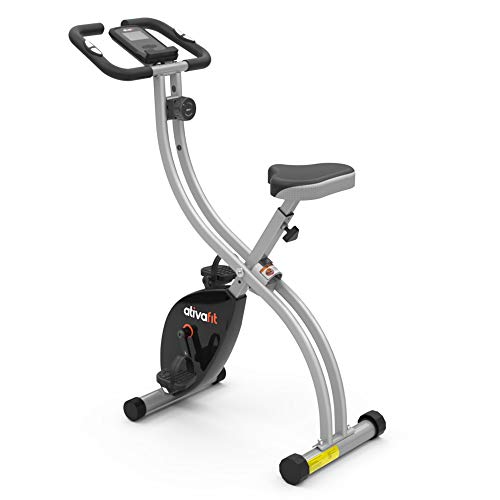
These compact, lightweight alternatives can easily be transported and saved, making them excellent for smaller home. Portable bikes typically concentrate on lower body exercises however can also engage the core.
Key Features to Consider
When choosing an exercise bicycle, consumers must think about numerous key features:
- Adjustability: The ability to change the seat height and handlebar position ensures a comfy and efficient riding experience, permitting users to keep proper posture and lessen the risk of injury.
- Resistance Levels: Bikes with adjustable resistance levels allow users to increase strength as their fitness level advances.
- Keeping track of Features: Many bicycles come geared up with LCD screens that show crucial metrics such as range, speed, elapsed time, and calories burned. Some advanced designs even use heart rate tracking.
- Design and Stability: A tough frame, secure pedals, and the overall design are important for security and convenience throughout exercises.
- Rate and Warranty: Prices can vary greatly across various brand names and models. Customers should likewise consider warranty protection for any possible repairs.
Best Practices for Using an Exercise Bicycle
To make the most of the advantages of utilizing an exercise bicycle, people should follow some best practices:
- Warm-Up and Cool Down: Begin each session with a warm-up to prepare the muscles and end with a cool-down to promote recovery.
- Maintain Proper Form: Focus on maintaining a straight back, engaged core, and relaxed shoulders. Feet needs to be flat on the pedals, with knees aligned appropriately to prevent pressure.
- Stay Hydrated: Keep a water bottle nearby to ensure appropriate hydration during exercises, especially for longer sessions.
- Differ Intensity and Duration: Incorporate a mix of high-intensity period training (HIIT) with steady-state cardio for well balanced exercises and to avoid boredom.
- Set Realistic Goals: Establish obtainable short-term and long-lasting objectives to stay determined and track development.
FAQs about Exercise Bicycles
Q1: How frequently need to I utilize an exercise bicycle to see results?A1: Ideally
, integrating cycling into your routine for a minimum of 150 minutes of moderate exercise per week can yield substantial health advantages. Nevertheless, specific objectives and fitness levels will affect frequency.
Q2: Is it all right to utilize a stationary bicycle every day?A2: Yes
, utilizing an exercise bike daily can be helpful, specifically if differing the strength and including rest days as required to permit for muscle healing.
Q3: Can a stationary bicycle assist with weight loss? Gym Bicycle : Absolutely! Combining cycling with a well balanced diet can substantially add to calorie burn and weight loss as part of a general fitness strategy. Q4: What are the differences in between stationary and spin bikes?A4: While both are stationary, spin bikes are specifically created for high-intensity workouts, including a heavy flywheel and a geometry similar to road bikes, enhancing the riding experience. Routine stationary bicycles typically focus on a more casual riding experience. Exercise bicycles are a valuable addition to any fitness regimen, offering a low-impact workout alternative
that caters to diverse fitness levels and choices. With the best model and dedication, individuals can successfully improve cardiovascular health, build strength, and achieve their fitness objectives. By comprehending the various types, features, and benefits, users can make educated choices and embark on a successful journey to better health.